Tobago’s flying fish NGO
BRINGING HOME THE FLYING FISH
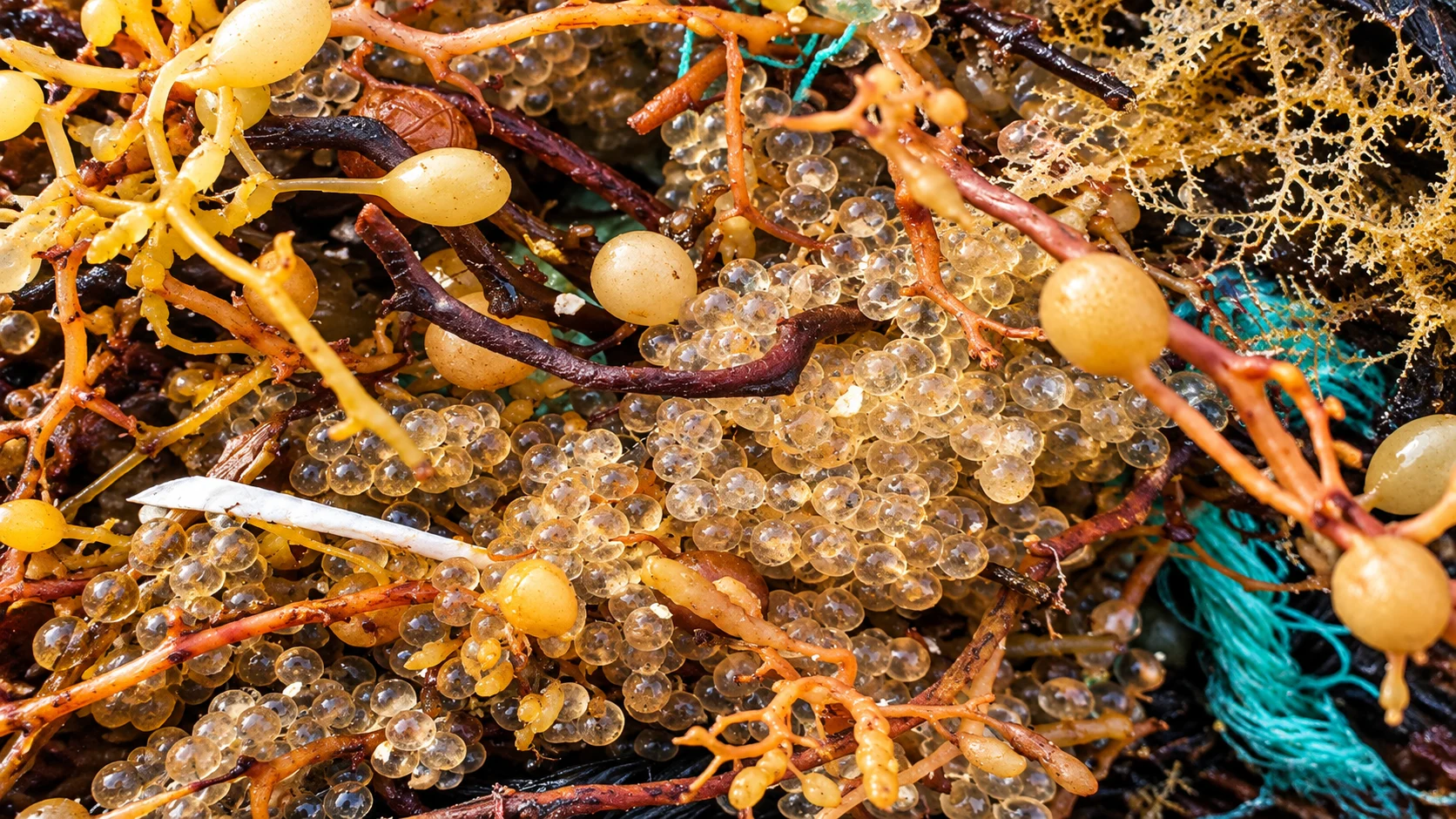
Wild eggs collected with local fishers, raised in a Tobago hatchery, released back to the water they came from, counted and witnessed.
For food
·
For livelihoods
·
For sustainability
Why it matters
The flying fish is Tobago’s fish
It fed the island, named its dishes, and kept its boats working. Over the past two decades the schools thinned, the processors went quiet, and a piece of everyday Tobago went with them.
The stock is stressed but recoverable. That is the window we work in.
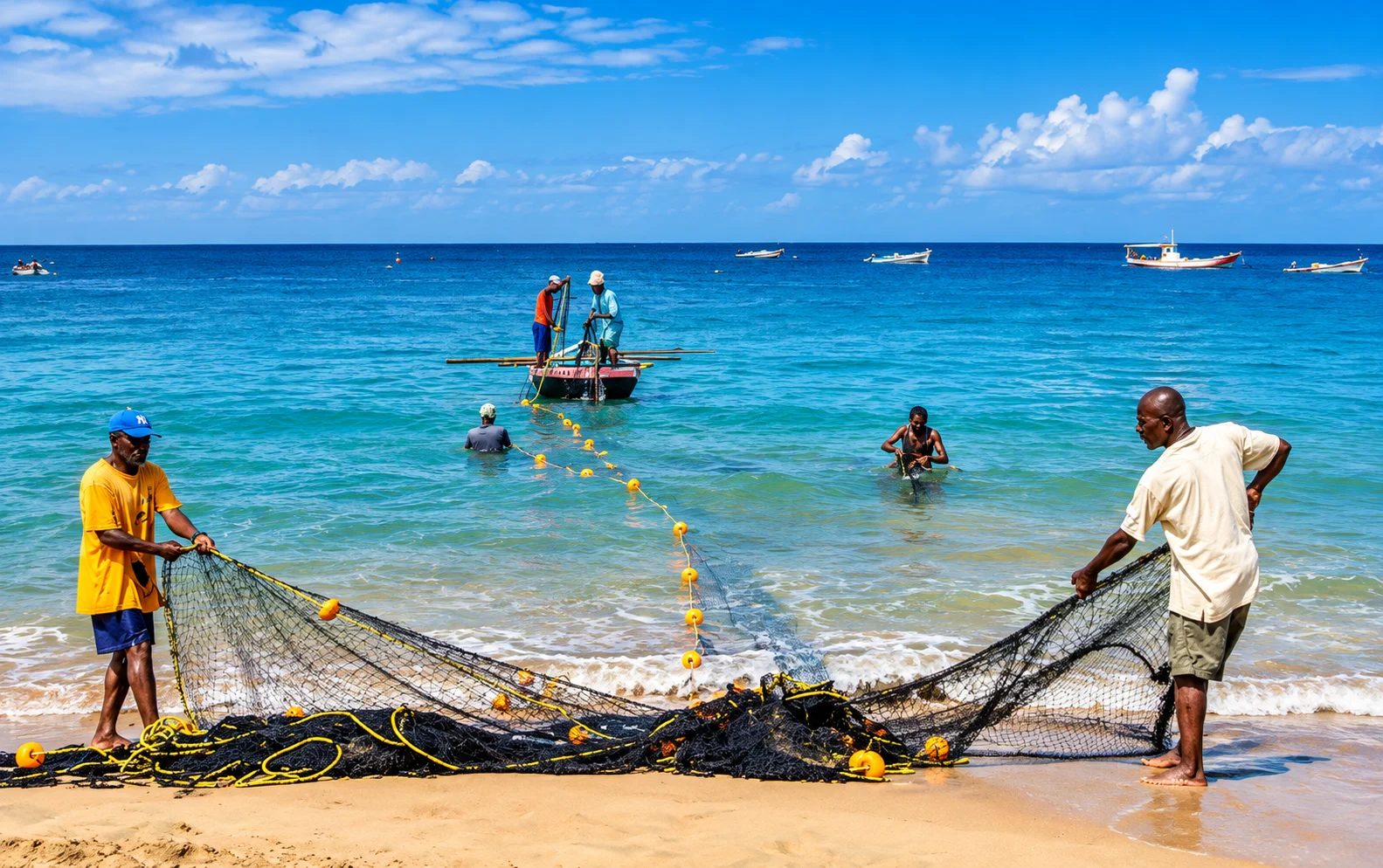

Not recipients. Paid partners in the restoration of their own fishery.
The FFINS community principle, from month 1
The domino effect
When flying fish decline, everything falls with them
Flying fish are the biological engine of Tobago’s offshore economy — the forage base every commercially significant species above them depends on.
FORAGE BASE
Flying fish
Convert zooplankton into the energy that feeds everything above.
→
PRIMARY PREY
Mahi-mahi
Flying fish make up the majority of their diet. Smaller fish at the dock already.
→
FOLLOW THE SCHOOLS
Kingfish, tuna, wahoo, marlin
Trophy fish follow productive flying fish waters. Their catches are declining too.
→
WHOLLY DEPENDENT
Sport fishing & tourism
No flying fish, no big fish, no tournament. A multi-million dollar sector on one food chain.
Tobago’s fishermen are already living this cascade — even if the science has not yet formally named it.
97%
Of wild eggs lost before hatching, documented since 1994
20×
More survivors with a hatchery, from 1–2 per 100 eggs to 30–60
100k+
Juveniles released, the proof-of-concept target
12
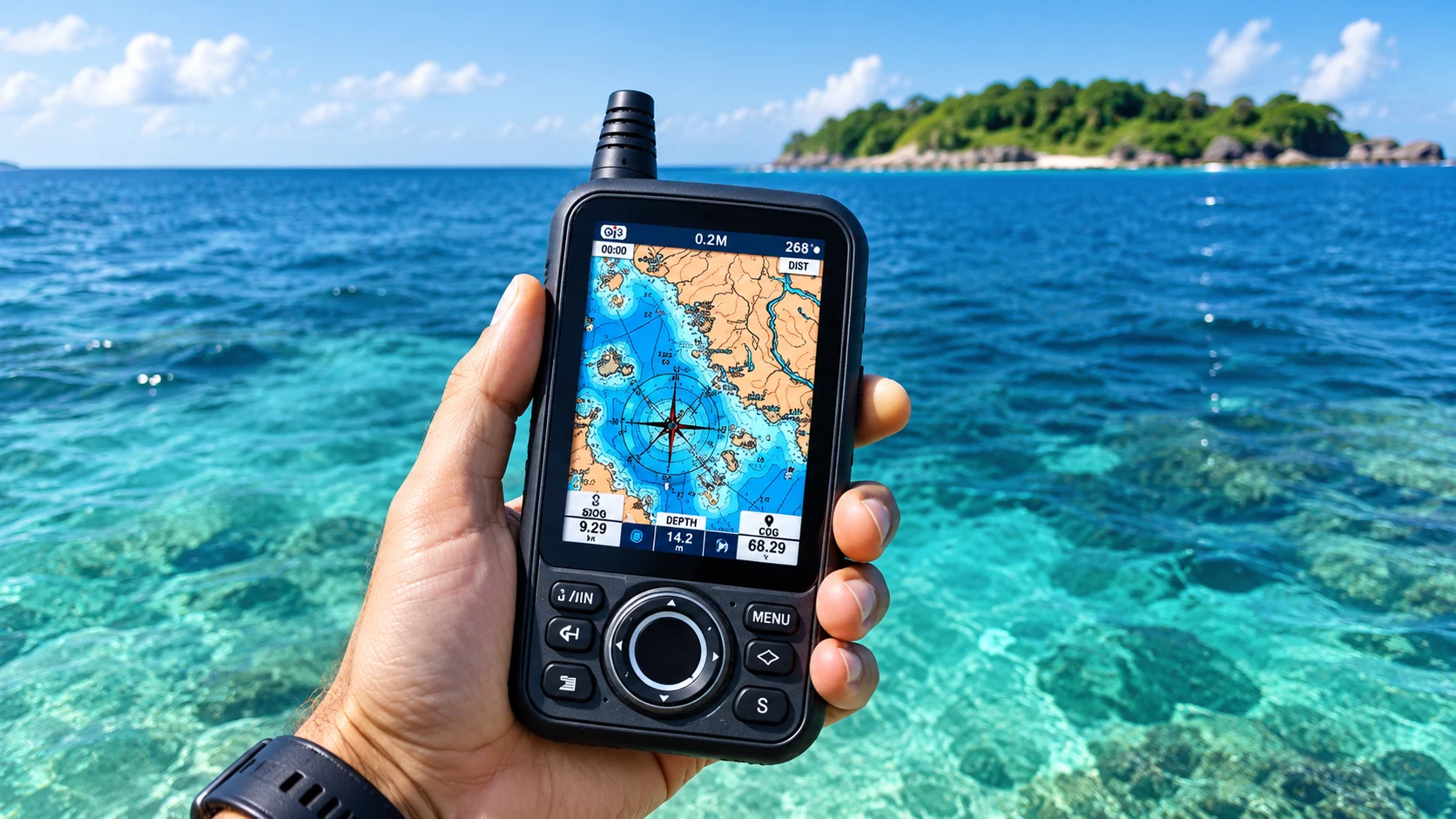
FADs planned around Tobago, camera- and GPS-monitored
What we do
Three steps, out in the open
Step 01
Collect wild eggs
Local fishers gather wild-spawned egg masses from the substrate network their families have set for generations.
Step 02
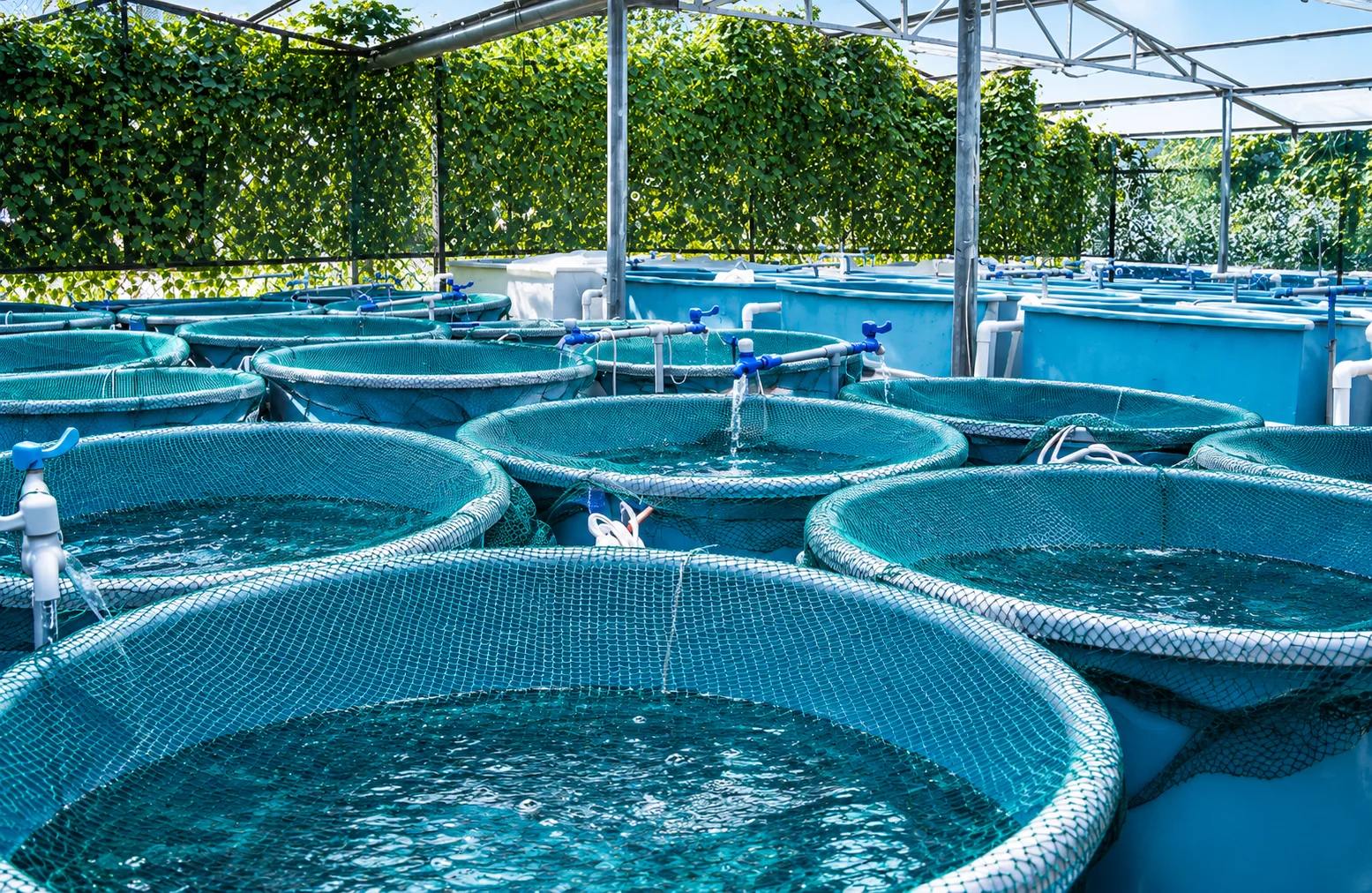
Raise them safe
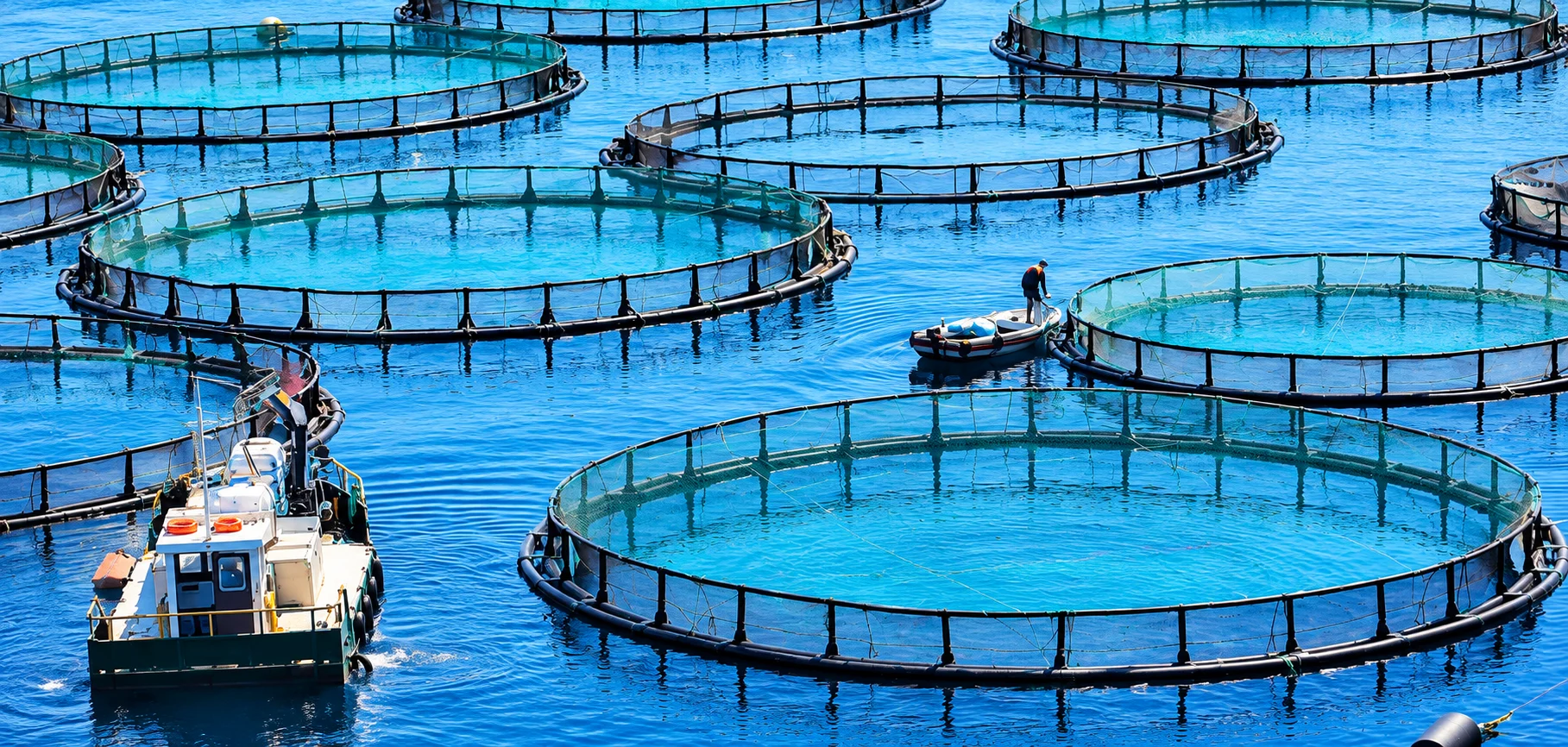
The hatchery at Black Rock carries the eggs past their most vulnerable weeks, then sea pens and the FAD network take over.
Step 03
Release them home
Every release is counted, independently witnessed, and published. Fishing families and schools attend.

Every release is counted, witnessed, and published — the same day it happens.
Verification, not promises
Why Tobago
The ocean concentrates this stock here
Three reasons, hidden in the current. Turn each card over.
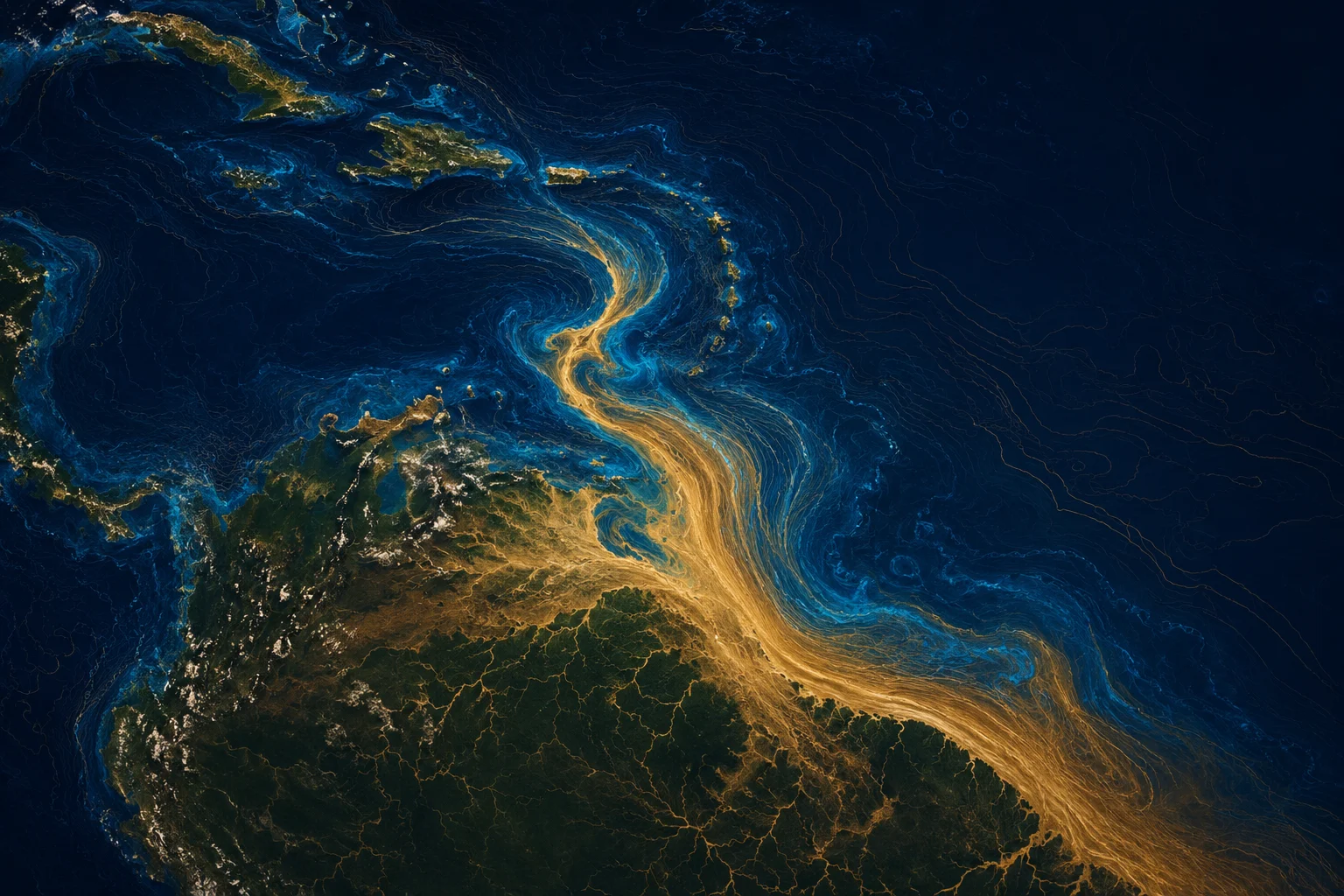
01
Apex of the nutrient highway
Turn over
01
Apex of the nutrient highway
Amazon nutrients ride the Guiana Current northwest and peak at Tobago before dispersing into the Caribbean. The flying fish follow their food — the ocean concentrates it here.
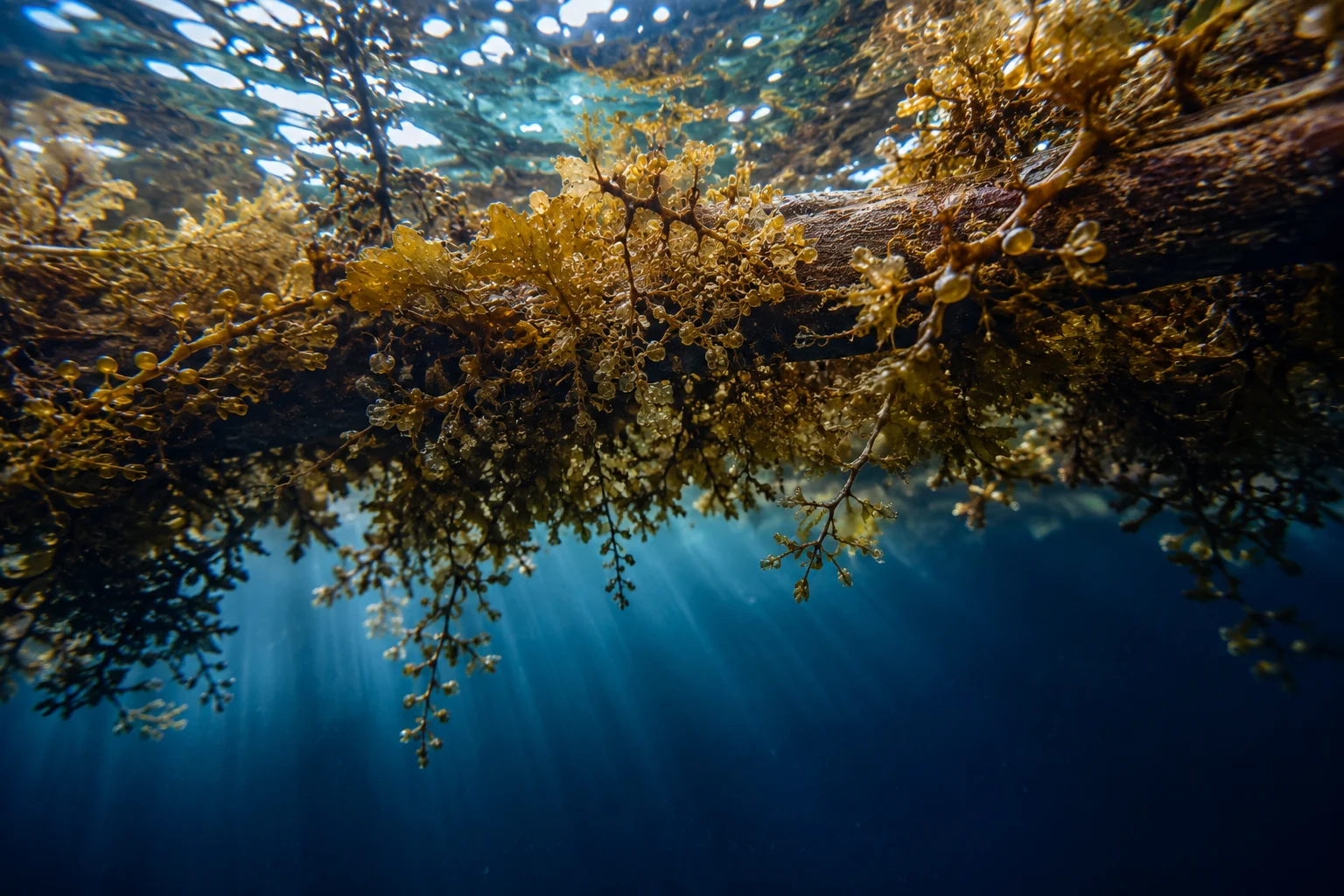
02
The flotsam arrives here
Turn over
02
The flotsam arrives here
Flying fish attach their eggs to floating substrate, and the current delivers it to Tobago’s northwest coast — metres from where the hatchery stands. We intercept what the ocean already brings.
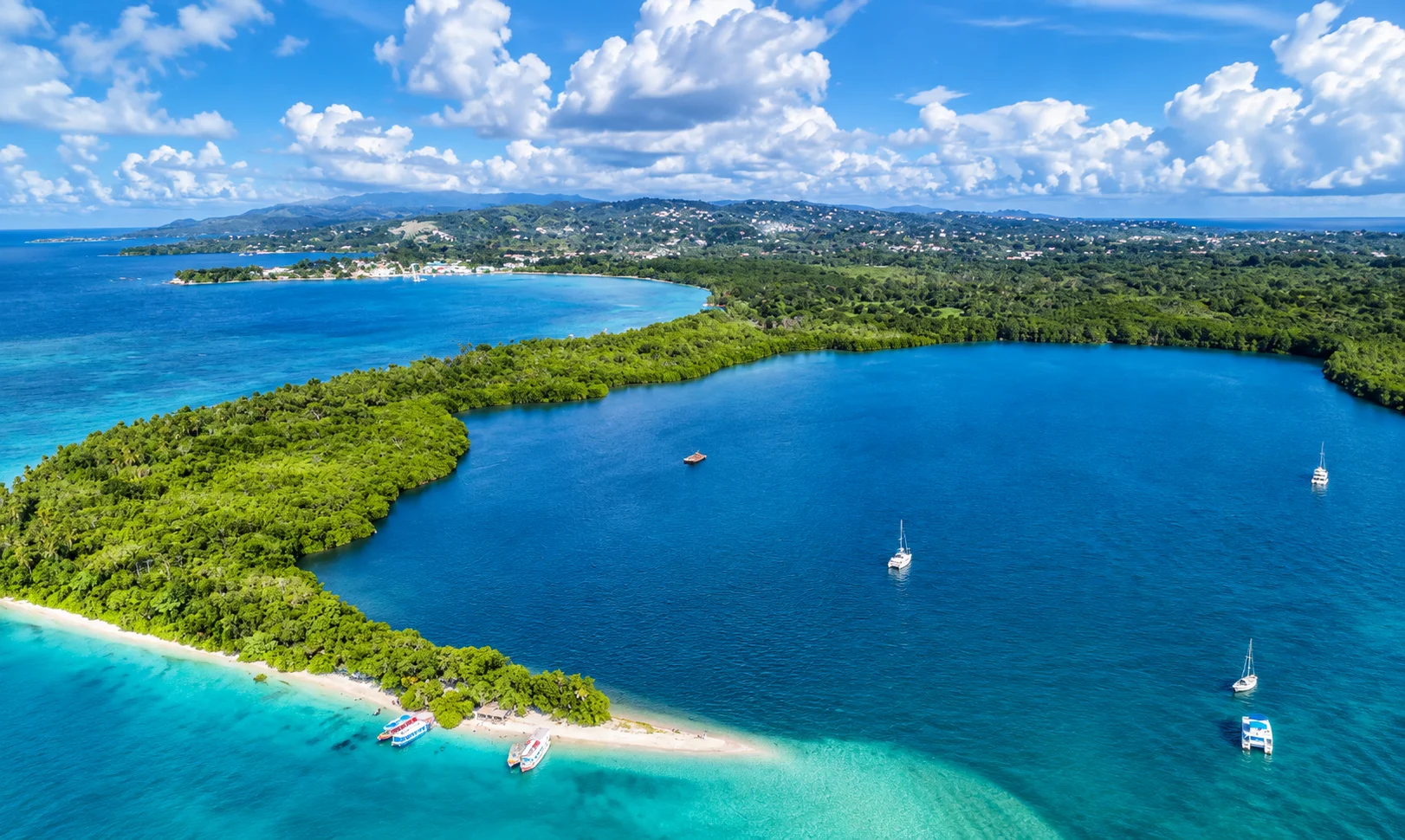
03
The preferred spawning ground
Turn over
03
The preferred spawning ground
Tagging studies show fish released at Tobago disperse the least, and spawning recaptures run three times higher here than at any other site studied. The stock comes here to reproduce.
Oxenford (1994) · 7,019 tagged fish
1st
Verified flying fish stock enhancement programme anywhere, designed in Tobago
17
CRFM member states share this stock, and this model
100%
Of releases independently witnessed and published
10yr
Year framework to restore the stock and keep it healthy
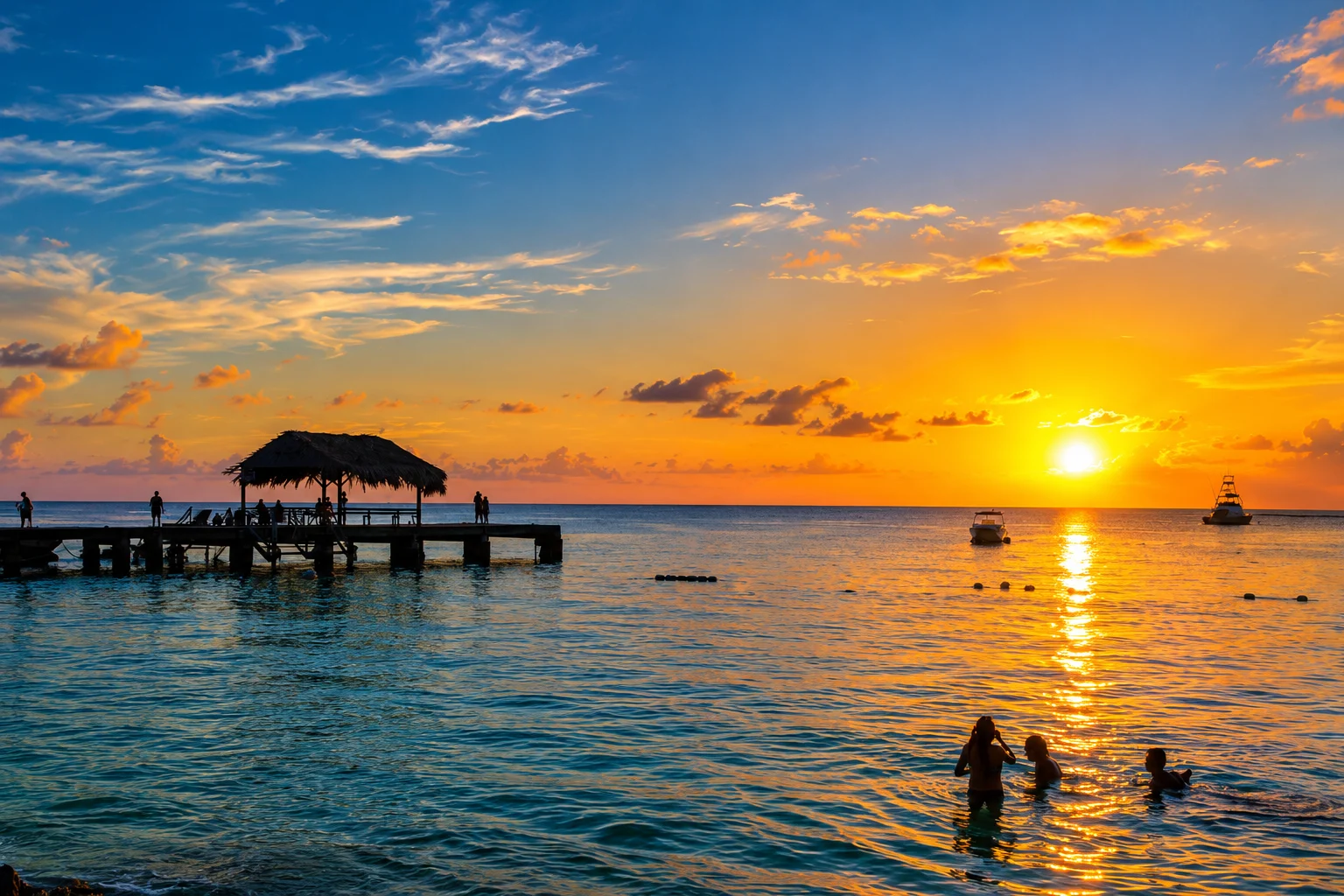
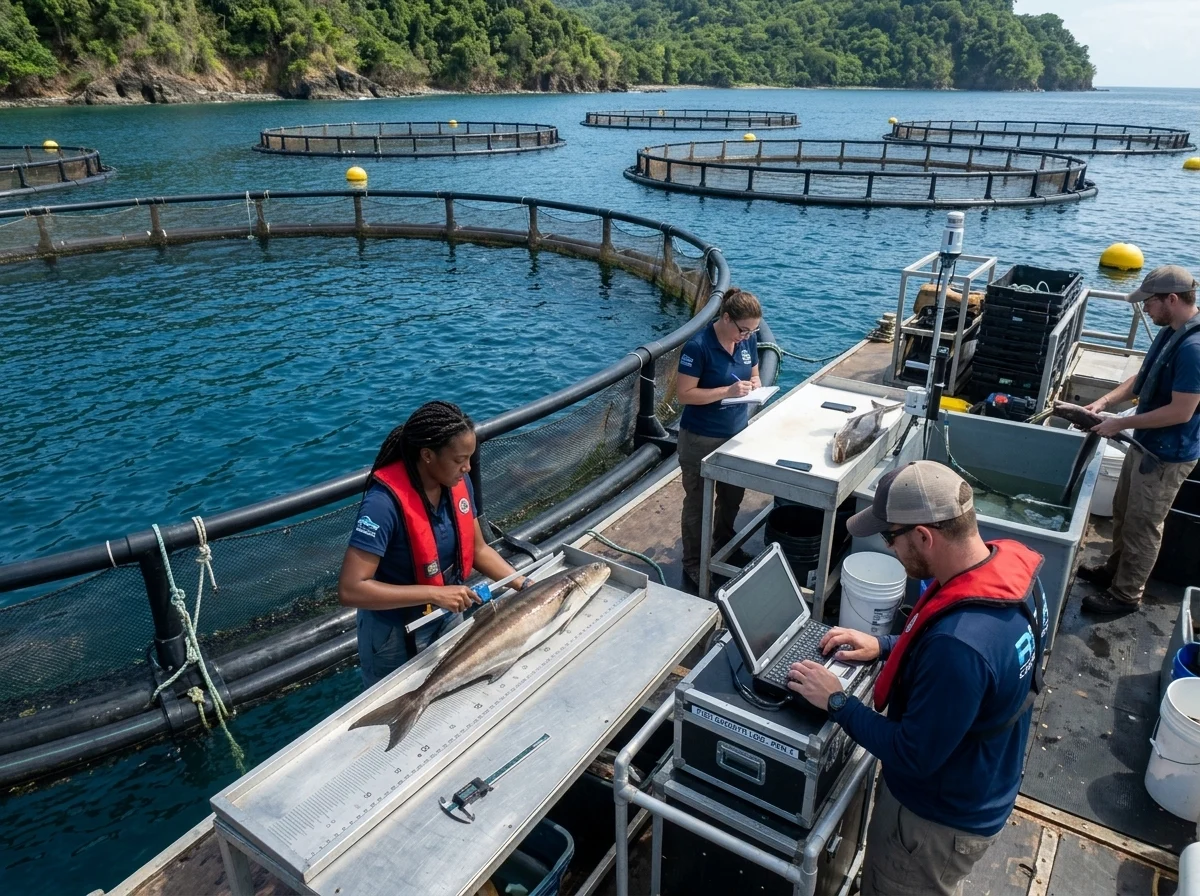
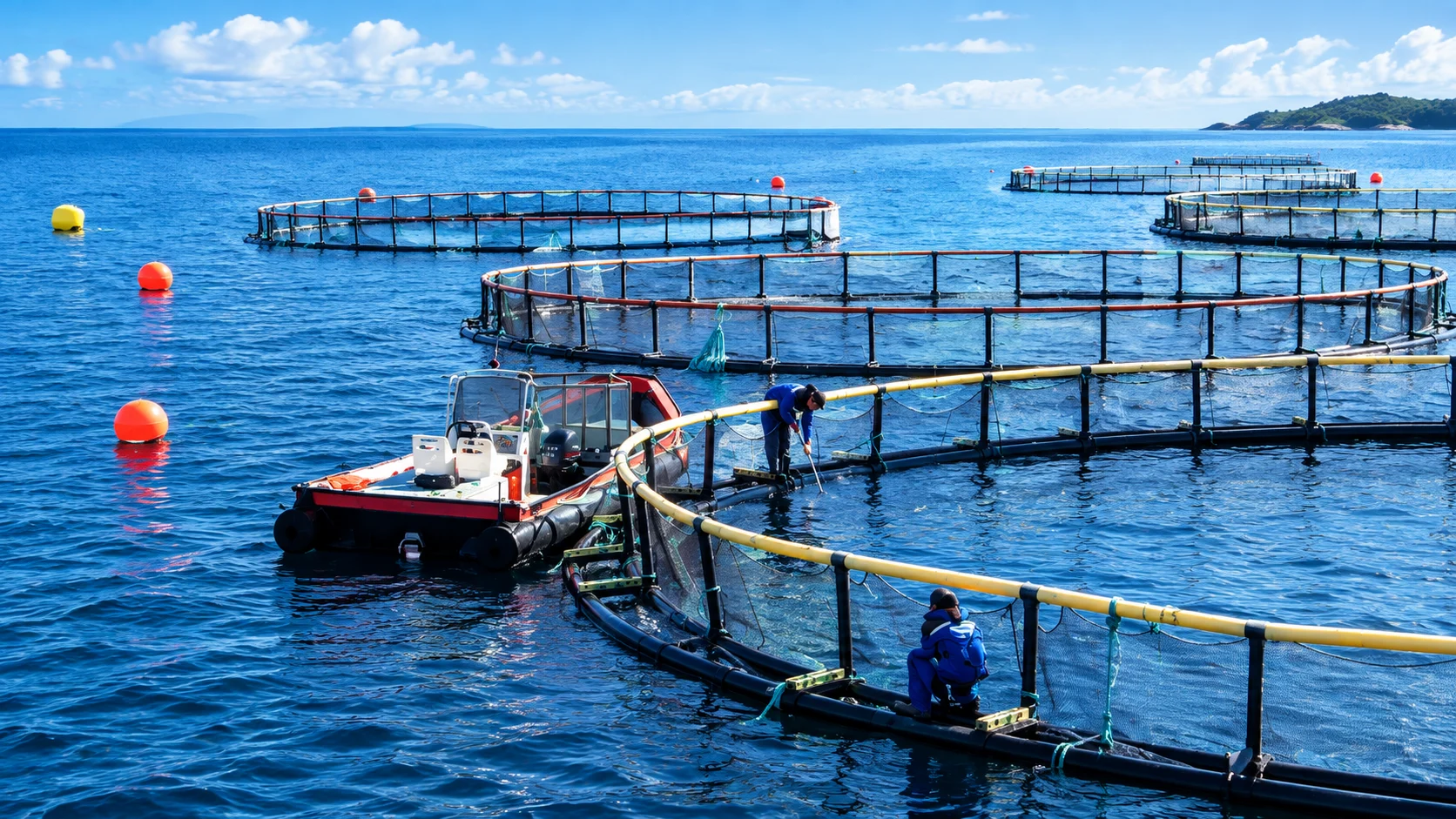
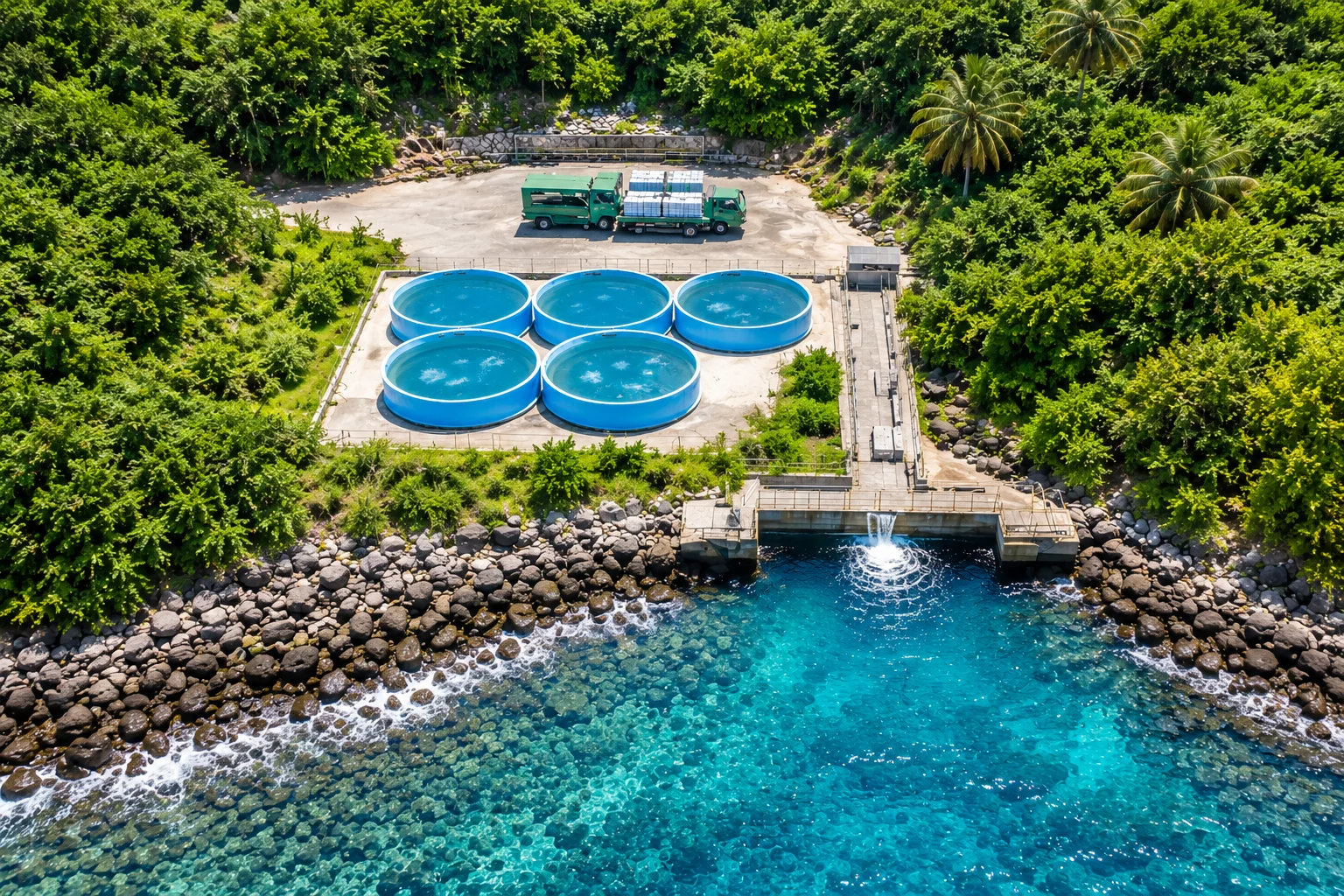
Get involved
There’s a place for you in this
Hover or tap a card to see the work behind it
Witness a release
Open to everyone. Bring the children.
Release days are announced publicly and counted in the open. You watch the juveniles go, and the tally goes on the record the same day.
Student exchange
Placements at a working hatchery.
Secondary and university students work alongside the technicians — water quality, larval counts, release logging. Research partnerships take longer placements.
Fish with us
Paid egg collection and pen keeping.
Registered fishing households are paid TTD 250 per bucket of wild eggs, from month one. Pen keepers earn a monthly stipend for the pens they tend.
Volunteer
Release days, outreach, events.
Shore crews, school outreach, beach and FAD monitoring. No experience needed — training happens on the day.
The flying fish cannot be bred in captivity. Every fish we release began as a wild egg, collected by hand.
Why the work starts with fisherfolk
How we work
Not aquaculture, not mariculture — ecological restoration
“If pen placement conflicts with turtle nesting corridors, we relocate the pens. The turtles were here first.”
Zero captive broodstock
Every batch starts from wild-spawned eggs. Released fish carry the wild stock’s full genetic diversity.
Turtle-safe by design
Amber lighting, no floodlit pens, 5-knot zones near nesting beaches in season.
Clean water out
Recirculating system, UV-sterilised outflow, continuous water-quality monitoring at the boundary.
Nothing permanent in the water
Pens, egg substrates and FADs are moored, not built. Every structure can be lifted out and the seabed left as it was.
Sustainable development goals
14
Life below water
Verified stock enhancement that rebuilds the whole food web.
2
Zero hunger
Tobago’s primary locally produced protein, restored.
8
Decent work
Permanent Tobagonian jobs — full salary, NIS, pension.
13
Climate action
A climate-adaptive marine restoration model for Caribbean SIDS.
1
No poverty
Egg collection income paid to fishing households from month 1.
14
Life below water
Verified stock enhancement that rebuilds the whole food web.
2
Zero hunger
Tobago’s primary locally produced protein, restored.
8
Decent work
Permanent Tobagonian jobs — full salary, NIS, pension.
13
Climate action
A climate-adaptive marine restoration model for Caribbean SIDS.
1
No poverty
Egg collection income paid to fishing households from month 1.
Partners & funders
Restoring a shared fishery takes more than one organisation. We work with government, funders, researchers and fishing communities, and partners follow the programme through a signed-in portal.
Field notes
From the water
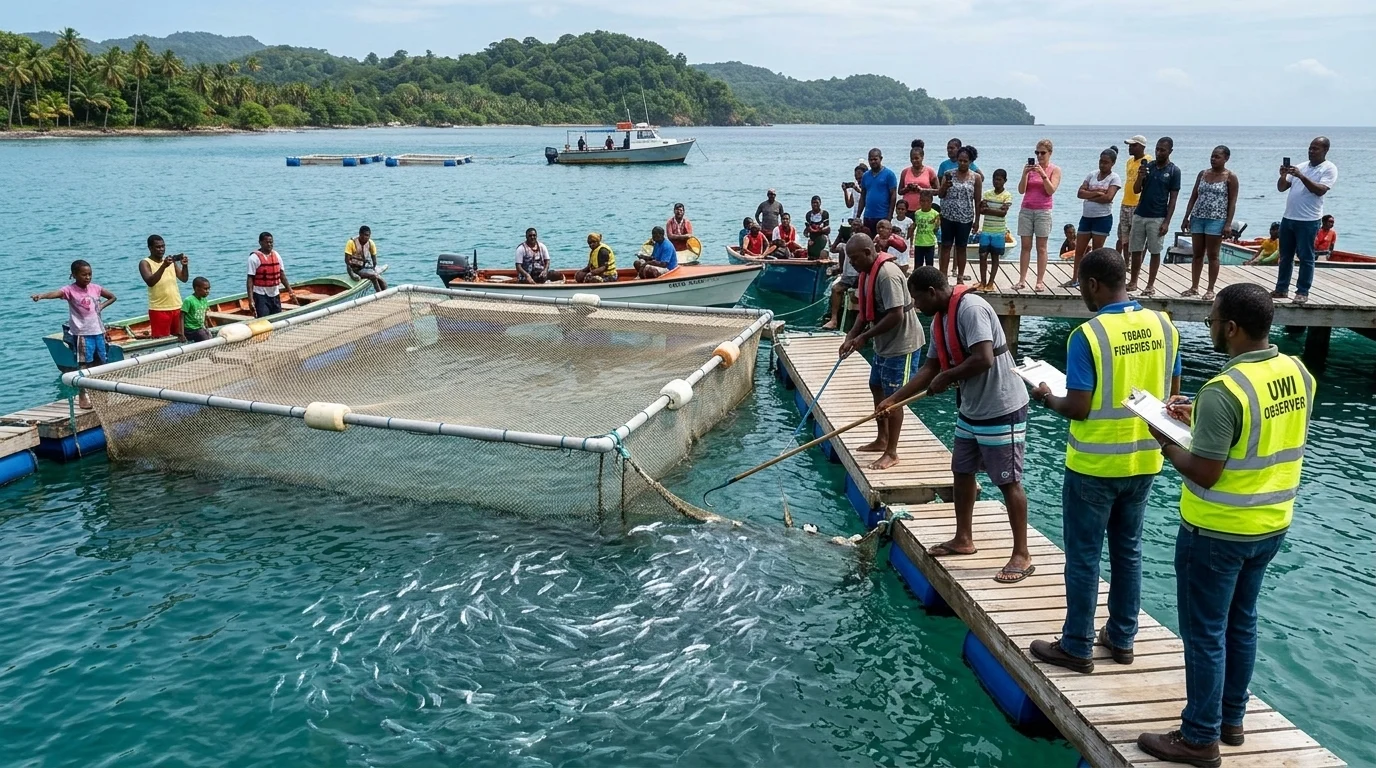
18 Aug 2026 · Releases
86,400 juveniles off Station 1 at first light
11 Aug 2026 · Students
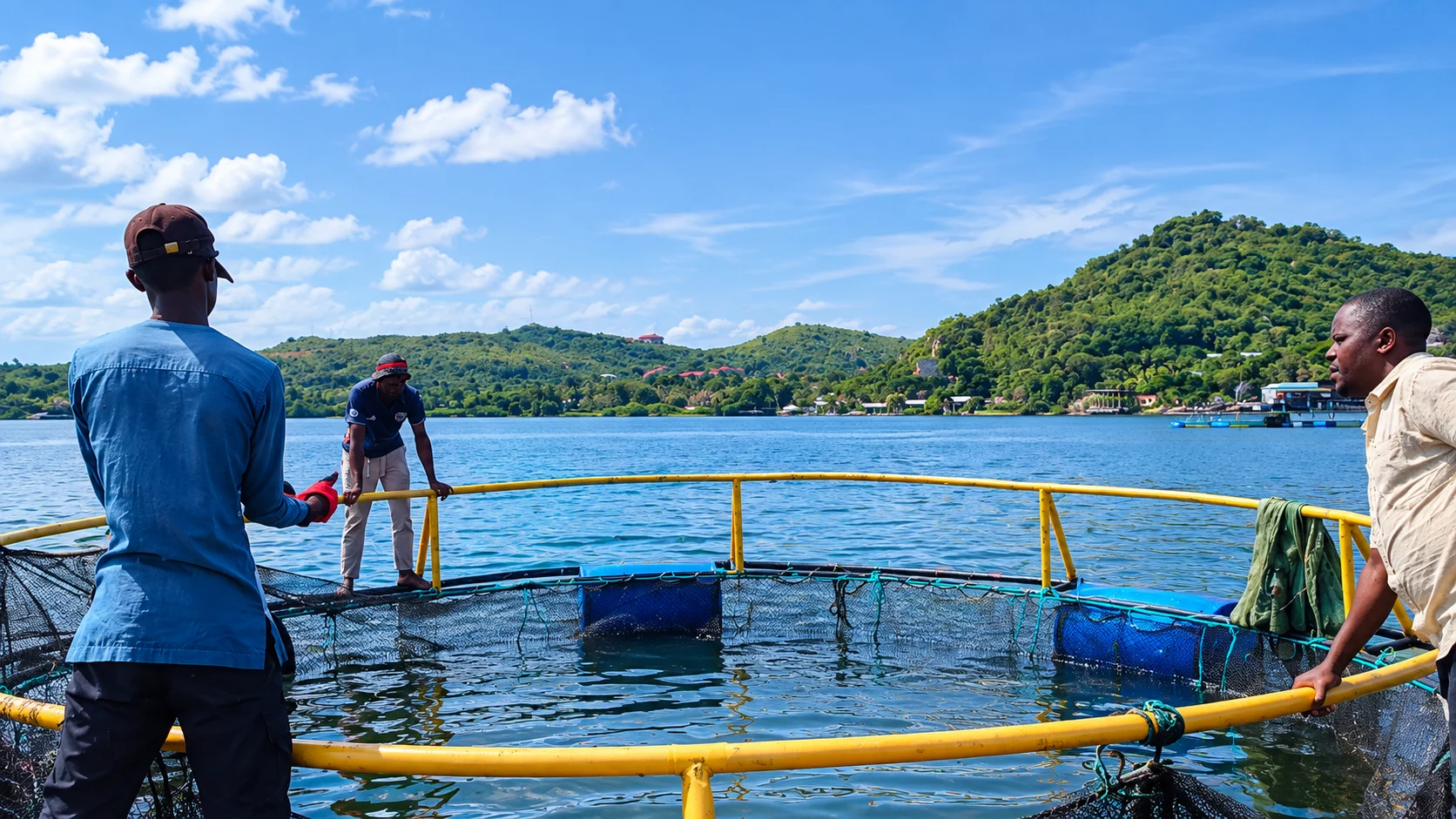
Signal Hill’s cohort finishes four weeks on the pens
30 Jul 2026 · FADs